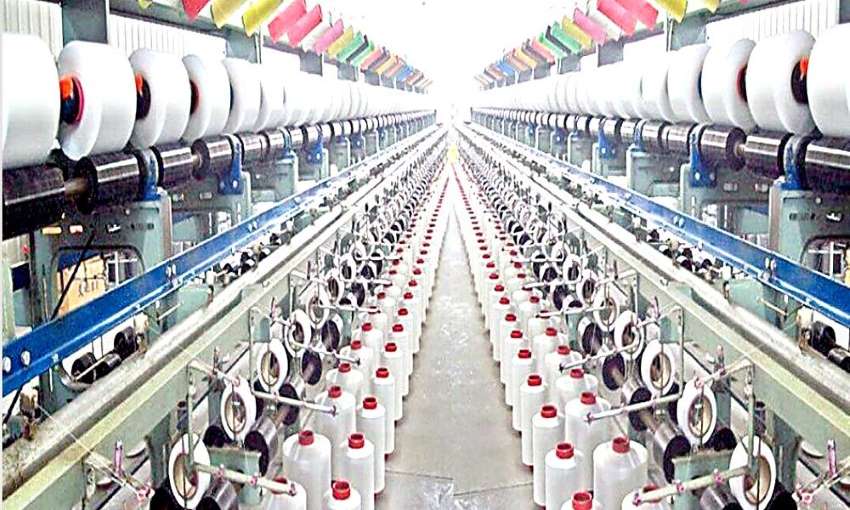

Ethiopia has over 2.4 million hectares of land are suitable for cotton production. And this fiscal, over 40,000 tons of cotton were harvested. The aim is to reach 5,02,000 tons in five years and 2,596,000 tons by 2032.
Ethiopia wants to be the top cotton producer in Africa from tenth place as of now. Sustainable production practices will be promoted through awareness raising campaigns about soil erosion, efficient use of irrigation water and inputs and integrated pest management, protection of biodiversity, forests and limitation of waste.
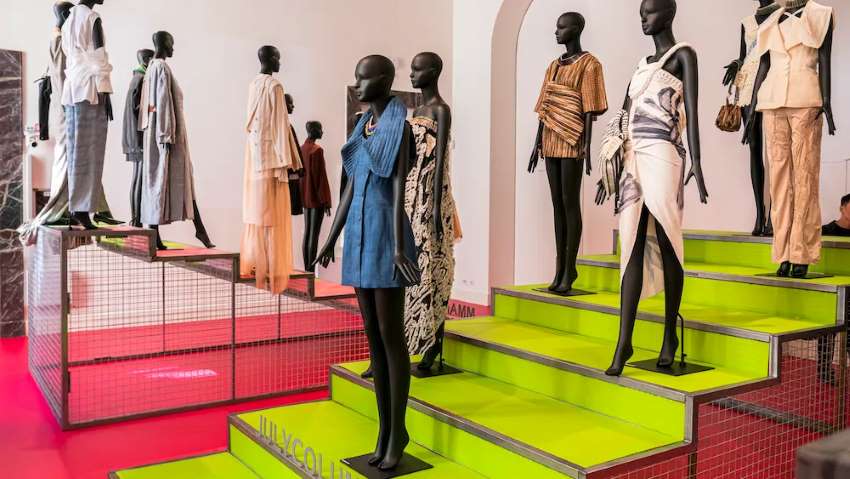
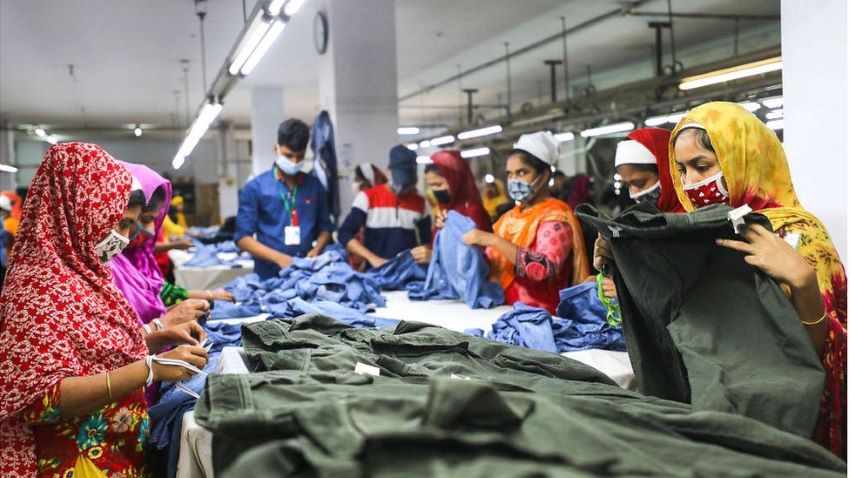
The strategy would help enhance the development of the country’s textile and garment sector. It is targeted to attain various goals including improving textile and garment products, earning better foreign currency, job creation, utilizing the full potential of industry and increasing the contribution of the industry for GDP. It would also contribute to attracting investments, providing adequate inputs for industries and supplying cotton products for foreign markets.
The strategy would promote integrated value and help bring the cotton sector into the industrialization process and will benefit all stakeholders in general and cotton farmers in particular as it would make them more profitable. An independent entity will be established with authority to coordinate activities by various stakeholders through improving policy and institutional framework.
- 1
- 2
- 3
- 4
- 5
- 6
- 7
- 8
- 9
- 10
PM MITRA parks face execution test as India’s textile exports recalibrate
India’s textile and apparel sector closed FY 2025-26 with exports worth Rs 3,16,334.9 crore, a 2.1 per cent increase that,... Read more
Dominance of Pure Play: Apparel is rewiring growth around precision, AI and trac…
The global fashion industry is entering a structural reset, and it’s not just because of cyclical demand decline or tariff... Read more
New Australian Wardrobe Economy: Where AI, sustainability, e-commerce converge
Australia’s fashion and apparel industry is no longer defined by post-pandemic recovery; it has entered a transformative phase. According to... Read more
Intertextile Shenzhen 2026- Pioneering the AI-driven future of fashion technolog…
The global textile industry is descending upon the Shenzhen Convention & Exhibition Center from June 9–11, 2026, for the highly... Read more
Yarn Expo Shenzhen 2026: GBA connectivity and AI innovation drive mid-year sourc…
The global textile industry is preparing for a strategic return to the South China manufacturing heartland as Yarn Expo Shenzhen... Read more
Indo-Dutch alliance targets textile circularity as global green jobs hit 142 mn
Netherlands and India formalized a roadmap to scale circular design and textile recycling. At the FICCI RECEIC Global Symposium 2026... Read more
Redefining what responsible production looks like
India's textile and apparel sector has set the global benchmark for sustainability at scale, and two clusters are leading the... Read more
China’s duty-free revival meets a reality check as Hainan shifts from VICs to va…
Hainan’s retail recovery is beginning to look less like a cyclical rebound and more like a rewiring of China’s domestic... Read more
Zombie inventory and shrinking margins inside China’s fashion returns meltdown
China’s digital fashion market, long celebrated as the world’s most sophisticated test bed for e-commerce innovation, is facing a destabilising... Read more
Circularity by Design: How EU rules are turning data into fashion’s new currency
The European fashion sector has entered a compressed transition window. Two regulatory confirmations: the revised EU Textile Labelling Regulation (effective... Read more