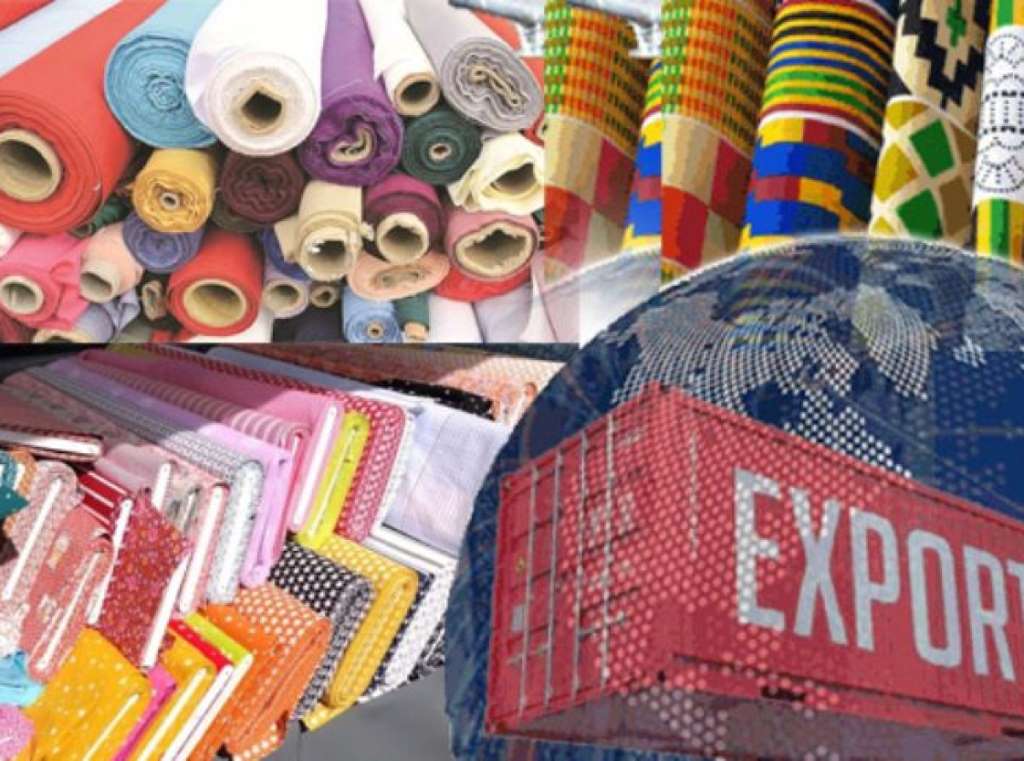

The textile and garment sector in Vietnam attained an annual export revenue growth of 15 per cent between 2010-2015 period. The sector is projected to grow strongly in the next decade owing to bilateral and multilateral trade agreements the country has signed, especially the Trans-Pacific Partnership. The industry’s shipments was worth $27.5 billion last year and is expected to touch $31 billion this year.
Large scale industrial parks, better traffic infrastructure, effective management of waste water treatment and environmental issues, and stable policies for taxes, fees and wages, and streamlined customs procedures are important factors for sustainable development of the industry. The industry needs large-scale industrial parks for domestic and foreign-invested producers of fiber and cloth and dyeing enterprises. Enterprises want loan interest support to invest in integrated wastewater treatment facilities.
Improved waterways and road connectivity between large-scale parks for apparel firms and ports and logistics centers will help enterprises in the sector lower costs. Since apparel importers are shifting orders to markets with abundant low-cost labor, the industry wants to adjust the master zoning plan for textile and garment industry development until 2020 with a vision toward 2030.
The country’s deeper international integration will enable the industry to bank on opportunities.

- 1
- 2
- 3
- 4
- 5
- 6
- 7
- 8
- 9
- 10
How India’s textile recycling network is becoming a global ESG blueprint
India’s textile industry is mounting an aggressive defence against growing international criticism that developing economies are becoming dumping grounds for... Read more
Cotton trade under pressure as war risks and tariff chaos raise apparel costs
The global textile and apparel industry is entering a high-stakes period of volatility as the ongoing Iran war creates a... Read more
Copenhagen GFA summit 2026 signals reset in global apparel finance
" " The global apparel, textile, and fiber manufacturing industries are entering a decisive phase of financial and operational realignment, as... Read more
Global apparel supply chains realign as India navigates trade volatility
The global apparel and textile sector is experiencing a significant structural shift, as major manufacturers and retailers move away from... Read more
India’s textile sector targets global supply chain shift with $100 bn export pus…
As global brands push up efforts to diversify sourcing beyond traditional manufacturing hubs, India is repositioning its textile industry through... Read more
India balances farm interests and export ambitions with temporary cotton import …
" " The textile industry has received a policy reprieve after the Ministry of Finance eliminated the 11 per cent import... Read more
Global supply chain strain deepen as fashion brands tighten sourcing costs
The global apparel industry is dealing with growing sourcing tension as big fashion retailers intensify efforts to reduce procurement costs... Read more
From Voluntary to Mandatory: Asia’s manufacturing hubs lock in green compliance …
The multi-billion-dollar Asian apparel export market is entering a enforced sustainability era, where environmental and labour compliance is no longer... Read more
MediaVision report signals the end of mass-market fashion marketing
" " The latest MediaVision Q1 2026 Fashion Report highlights, the age of broad-spectrum marketing and passive brand awareness is rapidly... Read more
Circularity as Strategy: BRICS countries turn waste into competitive advantage
The global fashion industry’s long-standing take-make-dispose model is being reset as BRICS economies increase their transition toward circular production systems.... Read more