
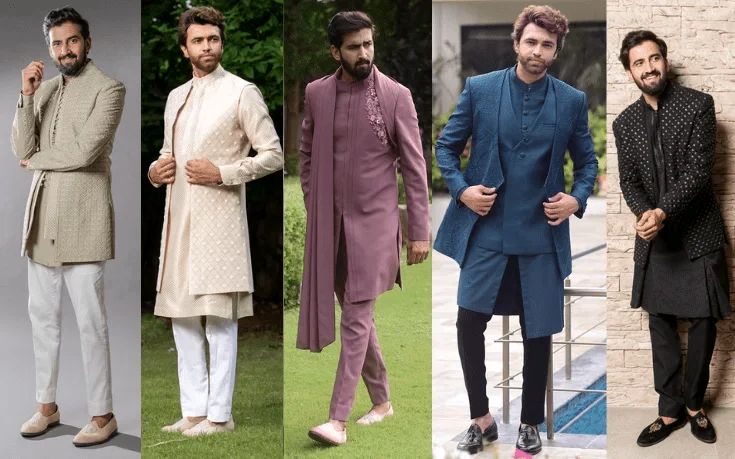
India’s menswear market is becoming polarized. While the value end continues to compete on price and the luxury segment remains insulated by affluent consumption, the most consequential battle is increasingly unfolding between them. The Indian menswear industry, estimated at $23.50 billion in 2026 and projected to reach $42.44 billion by 2034, is seeing a rapidly growing middle tier. The Rs 3,500-7,000 price band is emerging as a critical growth zone, with the mid-premium segment estimated to be growing at around 25 per cent annually.
This is not simply a pricing shift. It reflects a change in how India's urban male consumer evaluates clothing. A growing cohort of professionals is moving away from inexpensive, disposable fashion but remains unwilling to pay the steep import duties, taxes and brand premiums attached to international luxury. The result is a market opening for domestic brands that can deliver superior fabrics, sharper design and better construction without crossing into luxury pricing.
Table: Three tiers, one contested middle
|
Indian menswear tier |
Core price band (shirts/trousers) |
Primary sourcing & fabric mix |
Channel mix & retail density |
Segment growth (CAGR) |
|
Value / Fast Fashion |
Rs 499-1,999 |
Polyester blends, synthetic viscose, basic cotton |
Hypermarkets, value e-commerce platforms |
5.5-6.5% |
|
Mid-Premium Bridge |
Rs 3,500-7,000 |
Long-staple cotton, French linen, merino, stretch wool |
Omnichannel, D2C flagships, Tier-1/2 high streets |
25% |
|
International Luxury |
Rs 15,000-85,000+ |
Fine silk, imported virgin wool, Italian cashmere |
Metro luxury malls, appointment-only salons |
6-8% |
The table highlights the gap. Value fashion has the advantage of scale and affordability, while international luxury benefits from brand heritage and exclusivity. The mid-premium segment, however, is becoming the battleground for consumers who want quality and differentiation without luxury-level expenditure. This consumer is also less willing to treat clothing as a purely functional purchase. Fabric composition, fit, finishing and versatility are becoming increasingly important purchase considerations.
Fabric becomes the new premium signal
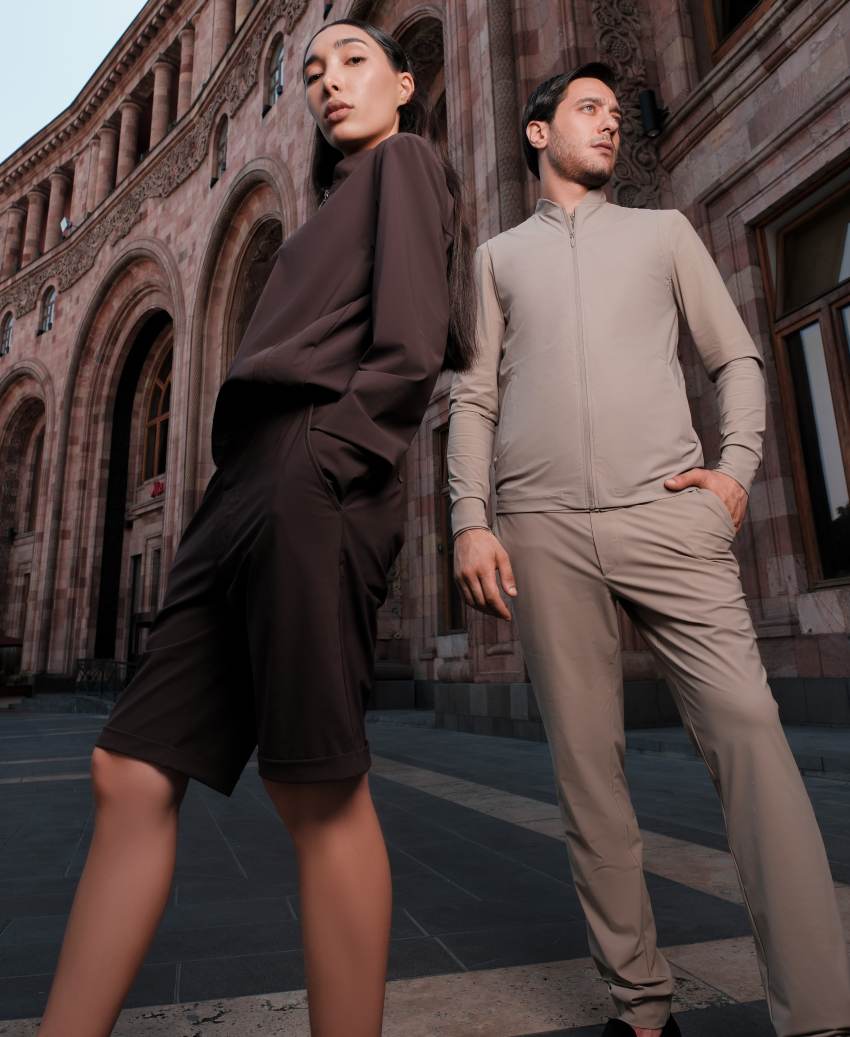
For brands competing in this space, premiumisation begins with the product rather than the logo. Commodity polyester blends that dominated large sections of affordable menswear are being supplemented by long-staple cotton, European flax linen, merino and lightweight wool. These materials give brands a tangible justification for higher prices while addressing India's climatic requirements.
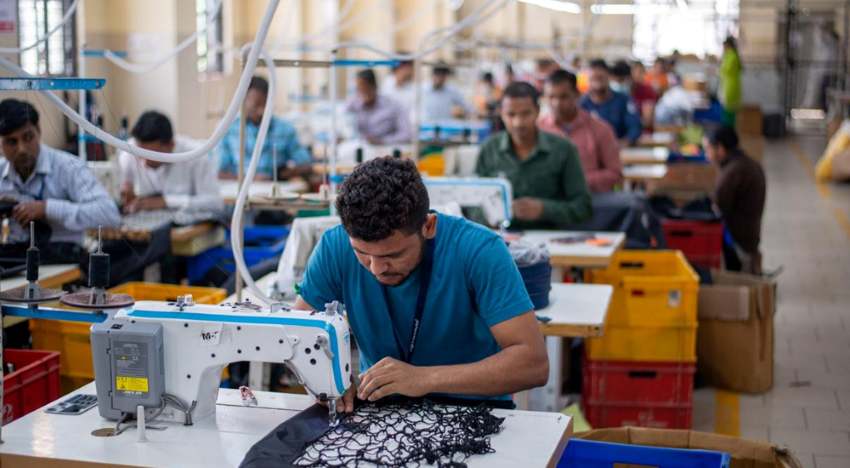
The shift is particularly relevant for smart-casual apparel. Lightweight shirts, unstructured jackets, breathable trousers and versatile separates can move between office, travel and social occasions, allowing consumers to justify spending more on fewer, better garments. Domestic manufacturing can further strengthen the proposition. Smaller production runs, direct sourcing and reduced dependence on multiple wholesale layers allow brands to invest in better fabrics and finishing while maintaining relatively accessible retail prices. The competitive advantage, therefore, is moving from simply producing cheaply to engineering a product that communicates value at first touch.
Rare Rabbit shows the bridge model
The growth of Bengaluru-based D2C brand The House of Rare, which operates Rare Rabbit, is an example of this opportunity. The brand positioned itself between conventional formalwear and expensive designer casualwear, building its proposition around high-density cotton shirts, unstructured blazers and premium casualwear largely within the Rs 2,999-6,999 range.
Its strategy combines distinctive European-inspired design with domestic manufacturing and an increasingly omnichannel distribution model. Its expansion from digital channels into prime high-street locations is particularly significant because it demonstrates how the mid-premium consumer is not exclusively an online shopper. The broader lesson for the sector is that D2C brands cannot depend indefinitely on digital discovery to build scale. Physical stores provide consumers with the ability to assess fabric, fit and construction—attributes that are difficult to communicate through a smartphone screen.
Stores return as acquisition costs rise
The economics of selling premium apparel online are also becoming more difficult. Customer acquisition costs for D2C brands have risen sharply, while tailored and fitted apparel can generate online return rates of 20-30 per cent. For a business operating on relatively narrower margins than luxury, the combination can significantly affect profitability.
This is pushing brands towards a hybrid model. Digital platforms remain essential for discovery, data and repeat purchases, but compact physical stores are becoming important conversion and brand-building assets. High-street locations in Tier-I and Tier-II cities can offer another advantage: they put premium products closer to consumers without requiring the capital intensity of large luxury-format stores. This creates a potentially powerful retail model, digital for reach, stores for trial and experience, and domestic supply chains for margin protection.
Large groups move into the gap
The opportunity has not gone unnoticed by established Indian retail groups. Raymond, Aditya Birla Fashion and Retail and Reliance Retail are strengthening their portfolios across branded and premium apparel, giving them access to distribution networks, sourcing capabilities and retail infrastructure that smaller brands must build organically. For these conglomerates, the mid-premium segment offers an attractive balance. Unlike mass-market fashion, it can generate higher average selling prices and stronger brand loyalty. Unlike international luxury, it remains large enough to support substantial volumes.
Raymond, with its century-long presence in premium textiles, suiting and tailoring, is particularly well placed to be a part of this premiumisation cycle. Its move towards broader branded apparel and luxury-oriented retail formats reflects the changing architecture of India's menswear market.
The next battle is for wardrobe share
The biggest shift may ultimately be behavioural. India's affluent male consumer is not necessarily moving directly from value clothing to luxury. Instead, he is building a more segmented wardrobe, buying inexpensive basics where price matters, while spending significantly more on shirts, trousers, jackets and occasionwear where fabric, fit and design carry greater weight.
That makes the Rs 3,500-7,000 band more than a temporary pricing opportunity. It represents a middle ground between disposable fashion and imported luxury. For brands, winning this market will require more than premium labels or aggressive advertising. Product quality, fabric credibility, fit, omnichannel accessibility and disciplined inventory management will determine who converts consumers from occasional buyers into repeat customers.
India's menswear market is therefore not simply growing; it is being repriced. The brands that can make premium quality feel attainable without making it look mass-market are likely to capture the largest share of the country's next wave of menswear consumption.