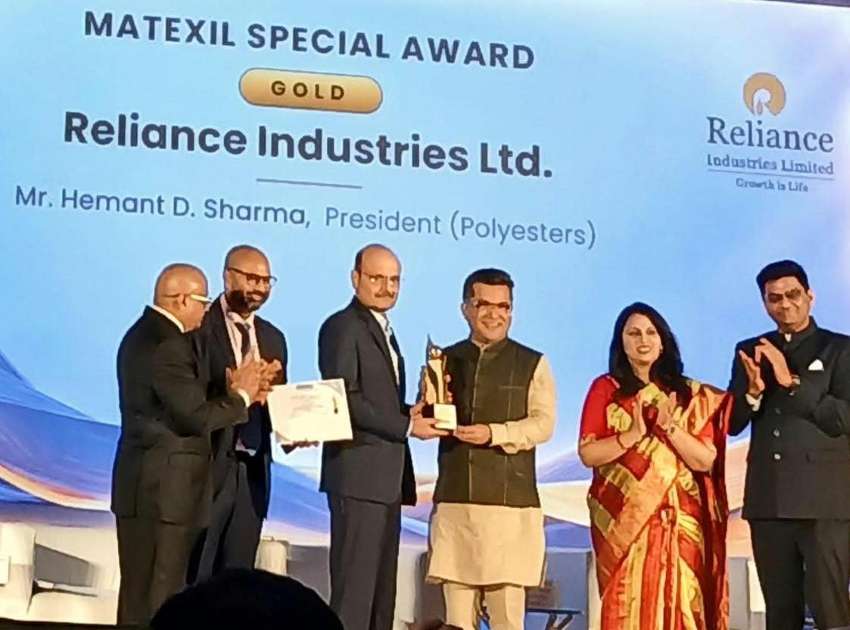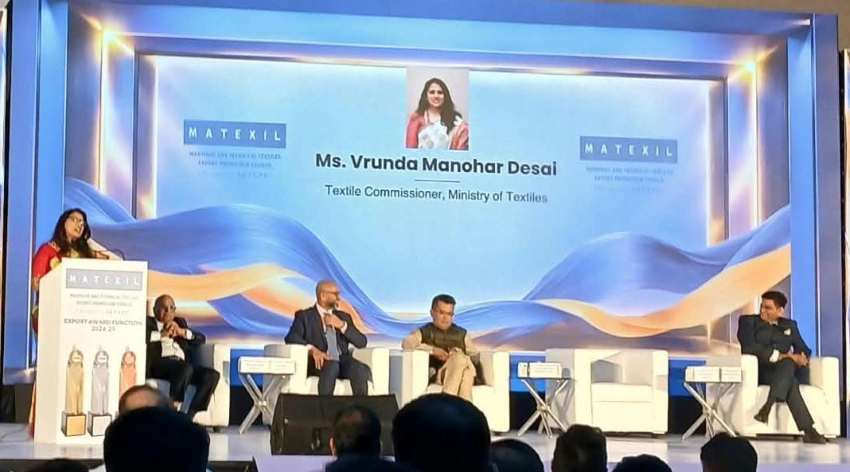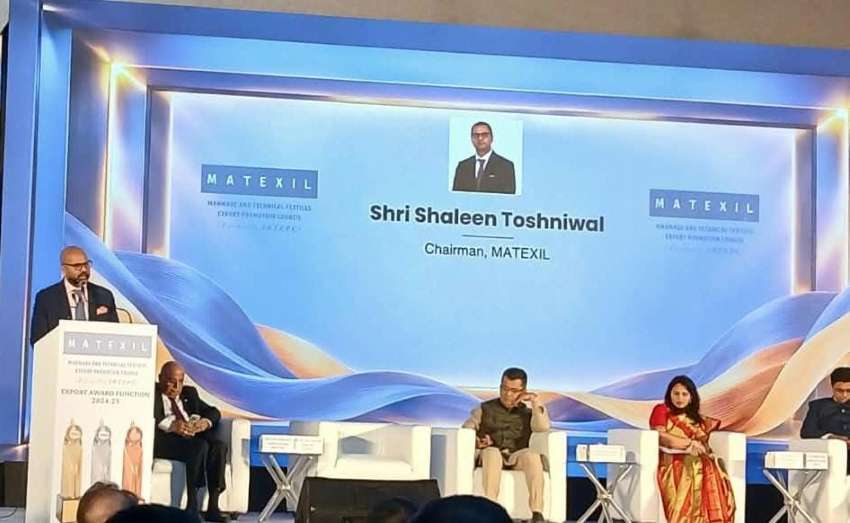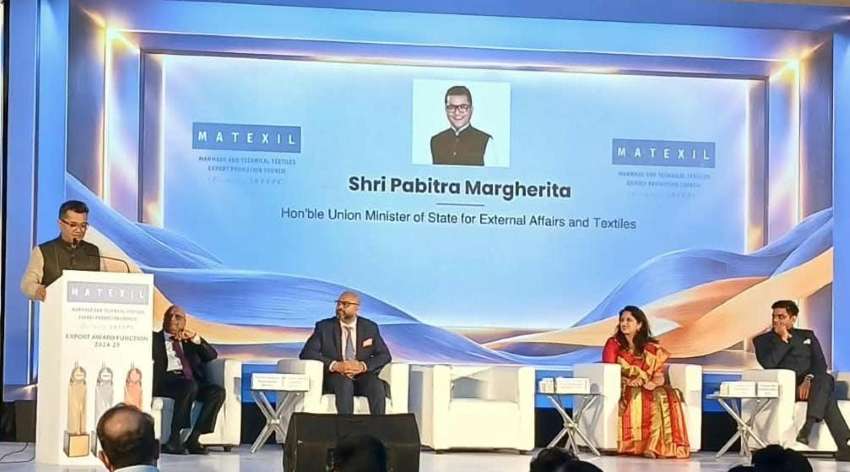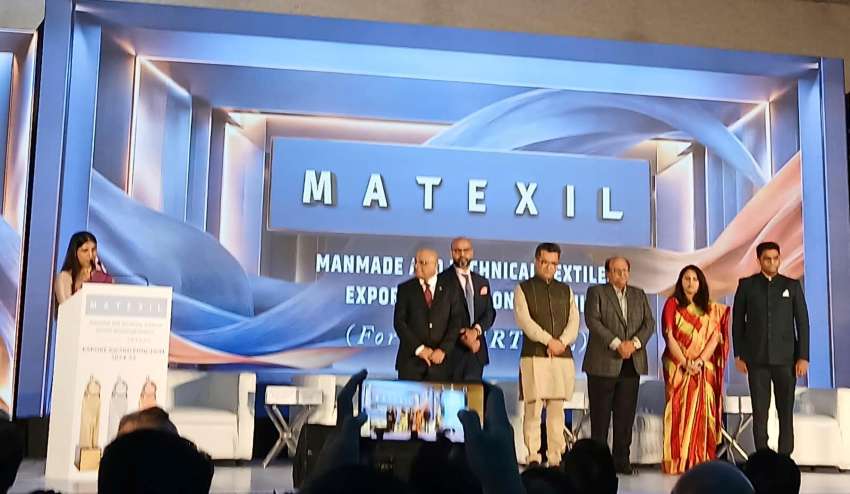

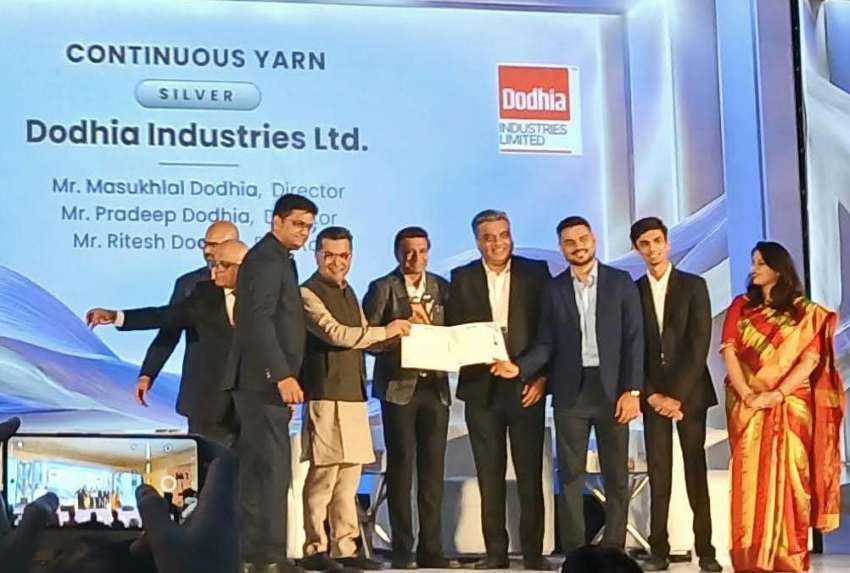
Global textile exporting is not an enterprise for the faint-hearted. Facing relentless volatility in raw material pricing, demands from international buyers for aggressive discounts, unstable ocean freight corridors, and stretching payment cycles, Indian textile manufacturers operate in an environment where operational margins are contested daily. Addressing industry leaders, dignitaries, and exporters at the MATEXIL Export Award Function in Mumbai, Bhadresh Dodhia, Immediate Past Chairman of MATEXIL and Convenor of the Export Award Committee, underscored that sustained international success requires turning operational resilience and entrepreneurship into a long-term competitive advantage.
The Realities of Global Trade: Managing stress and surprises
Dodhia captured the daily friction confronting synthetic and technical textile mills competing against heavily subsidized global suppliers. Beyond traditional production metrics, modern exporters must absorb severe commercial headwinds, balancing fluctuating input costs against buyers who demand lower price points, defect-free quality, and near-instantaneous delivery turnarounds. Reflecting on this operational strain, Dodhia observed that with raw material prices rising, customers pressing prices down, freight rates fluctuating, and payment terms stretching, one often wonders whether the fraternity is in the textile business or the business of managing stress and surprises. He emphasized that the evening’s awards were established to recognize not merely sheer export performance, but the underlying resilience, commitment, and entrepreneurial spirit powering every commercial milestone.
Despite these structural hurdles, Indian exporters continue to commit capital, modernize facilities, and maintain delivery schedules across demanding overseas markets. The annual MATEXIL Export Awards, Dodhia noted, serve not merely as an acknowledgment of top shipment volumes, but as an institutional benchmark designed to encourage the broader exporting community to raise standards, enter new regions, and expand market share.
Administrative Alignment: Technical understanding at the policy level
A critical factor strengthening India's synthetic textile positioning is the operational alignment between industry leadership and policymakers. Highlighting the academic background of Union Minister of State for External Affairs and Textiles Pabitra Margherita, who studied textile technology at the Assam Textile Institute; Dodhia remarked on the distinct advantage for exporters, noting that the industry has been spared the effort of explaining the technical differences between yarn, fabrics, and garments to the ministry.
With the union government placing both textiles and external affairs under unified ministerial responsibility, Dodhia noted that the sector could not have asked for a more effective combination to drive outbound shipments. He pointed out that Margherita understands shop-floor manufacturing complexities and actively leverages diplomatic channels to represent Indian textiles across every foreign market he visits, ensuring that central trade diplomacy directly reflects industrial realities.
Showcasing the entire value chain through mega platforms
Realizing India's immense export potential in manmade fibres and technical textiles requires moving beyond isolated cluster presentations toward comprehensive national platforms. Dodhia pointed to the conceptualization and launch of mega-initiatives such as Bharat Tex as transformational in establishing India's global sourcing visibility.
By bringing together the complete textile chain, from primary petrochemical inputs, virgin and recycled polyester staple fibres, and continuous filament yarns to high-performance functional fabrics, apparel, and technical textiles, under a single international roof, these centralized events present foreign retail chains and industrial sourcing heads with fully integrated vertical scale. Continued backing from the Ministry of Textiles ensures that small, medium, and composite mills alike can access global commercial linkages without intermediate trade friction.
Diversity of thought driving council strategy
Dodhia acknowledged the operational strength provided by MATEXIL’s governing architecture, which brings together past chairmen, regional leaders, and administration committee members across various fibre and downstream disciplines. Acknowledging the lively strategic debates across the council, he observed that leadership circles occasionally generate more opinions than the industry produces varieties of yarns, yet this very dynamic remains the true beauty and strength of the organization.
This continuous exchange of perspectives ensures the council addresses the specific trade concerns of every segment, whether pushing for upstream raw material price parity, resolving inverted duties, or expanding international market access under bilateral free trade pacts.
A call for aggressive export expansion
Looking forward to the next export cycle, Dodhia issued a direct challenge to both recognized award winners and participating mills. Addressing those not receiving trophies during the ceremony, he urged them to keep exporting and scaling output so that the industry demands a substantially bigger stage in the coming year.
Concluding his address, Dodhia stated that India possesses the products, the people, and the passion, leaving the industry with the singular operational mandate to ensure the global marketplace is supplied with far more Indian textiles. The objective remains clear: synthetic and technical textile producers must scale shop floors, modernize processes, and convert domestic manufacturing capacity into a dominant share of international supply chains.