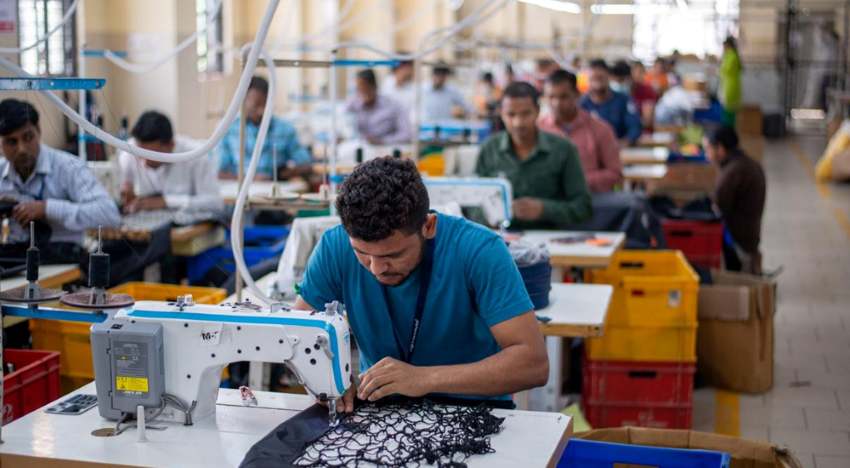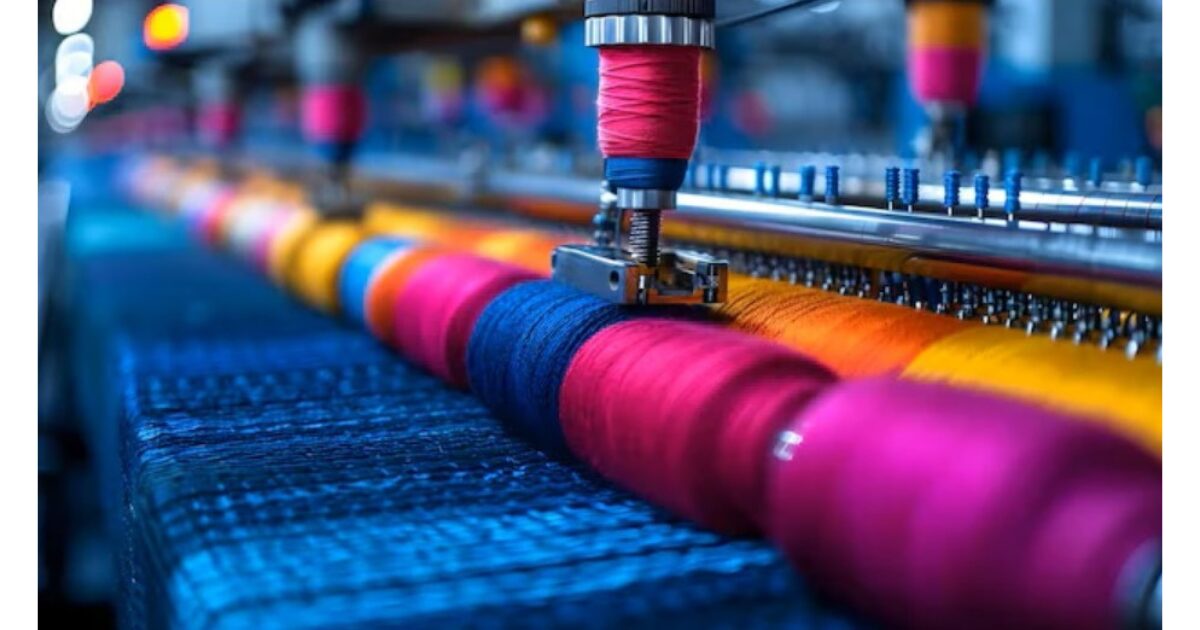

Intrinsic Advanced Materials is driving major commercial expansion for its proprietary Ciclo technology, shifting focus toward high-volume home and hospitality textile sectors. Partnering with global manufacturing heavyweights Advance and HeiQ Materials AG, the enterprise is introducing nature-inspired additive solutions that allow conventional polyester and nylon to break down cleanly in industrial composting, wastewater sludge, and marine environments. This deployment aims to drastically mitigate microplastic shedding, an issue where hospitality laundry wastewater alone can discharge over 10,000 microscopic plastic fibers per liter.
Commercial viability and market integration
Unlike experimental materials that require complete factory overhauls, Ciclo functions as a drop-in ingredient added directly during fiber extrusion. This compatibility allows mills to process virgin, recycled, and bio-based feedstocks without sacrificing mechanical strength, dyeability, or chemical recyclability. Brand partners require material innovations that solve environmental liabilities without compromising commercial durability or supply chain economics, notes a spokesperson for Intrinsic Advanced Materials. By integrating with high-performance cellulose blends like Tencel, the technology maintains commercial-grade longevity essential for institutional laundering while securing Oeko-Tex Eco Passport compliance.
Combating synthetic microfiber pollution
Formed as a joint venture between Silicon Valley innovator Intrinsic Textiles Group and yarn titan Parkdale Advanced Materials, Intrinsic Advanced Materials engineers sustainable ingredient technologies designed to combat synthetic microfiber pollution. Operating across domestic and Asian manufacturing hubs, the firm supplies global apparel, athleisure, and hospitality sectors with scalable biochemical solutions. Backed by strong financial momentum and rigorous ASTM-validated biodegradation metrics, the company continues to scale its IP-protected ecosystem to meet tightening international environmental regulations.