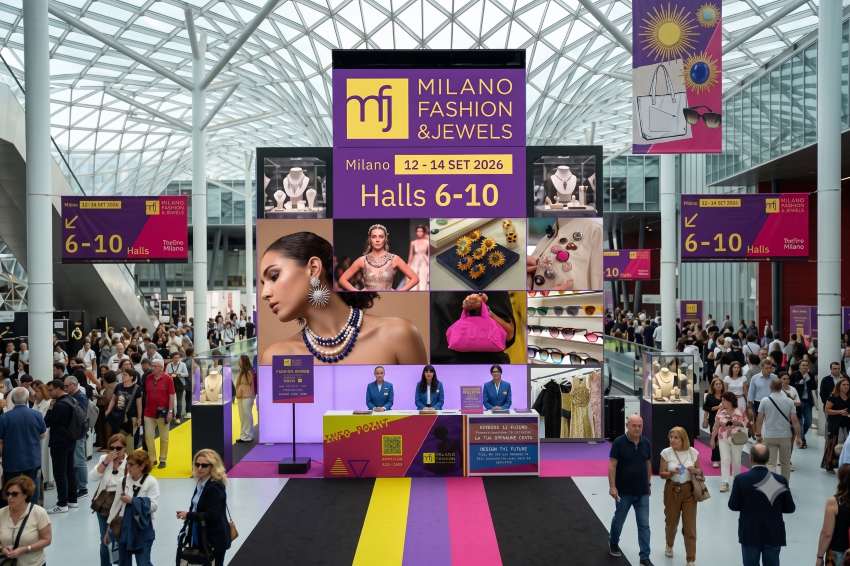

As European fashion brands and private labels navigate persistent supply chain bottlenecks, rising transport overheads, and tightening environmental mandates, an agile sourcing frontier is emerging at the crossroads of Eastern Europe and Western Asia. At the autumn edition of Ready to Show, held inside Hall 10 at Fiera Milano-Rho under the Milano Fashion & Jewels (MFJ) umbrella—a landmark national pavilion of 10 Armenian apparel manufacturers made its official debut, presenting European retail directors with an operational alternative built on speed, flexibility, and sustainability.
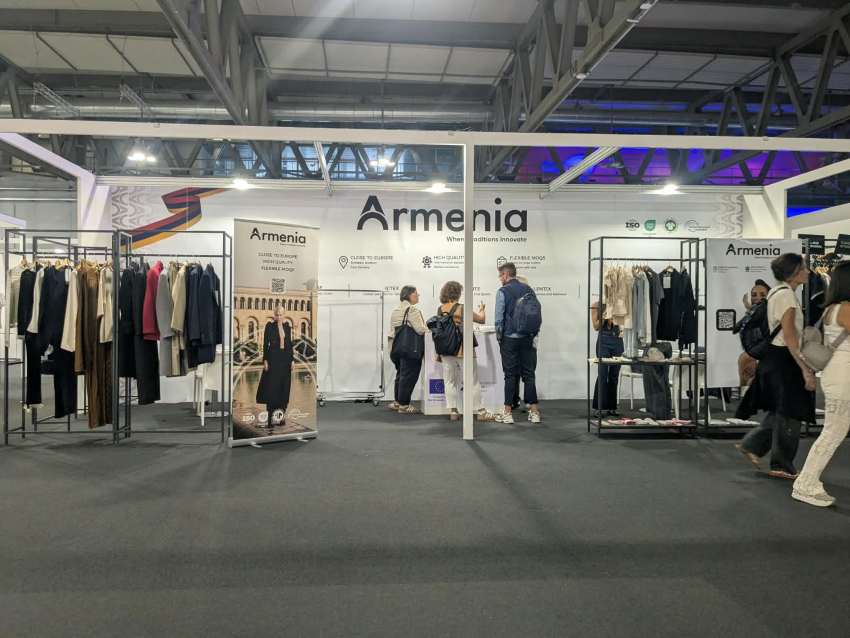
The initiative reflects a deliberate realignment in European procurement. Steered by the International Trade Centre (ITC); the joint development agency of the United Nations and the World Trade Organization—and backed by the European Union, Armenia’s presence in Milan marks a systematic transition from domestic and regional legacy markets toward high-specification European contract manufacturing.
Industry organizers and trade observers note that this dynamic addresses a structural shift across the continent. Unlike large-volume procurement models typical of North American retail, European fashion houses prioritize service elasticity, strict sustainability compliance, and refined craftsmanship over sheer scale. Because Italian apparel brands export extensively across global consumer markets, becoming an approved manufacturing partner in Italy provides suppliers with an immediate international quality credential. Within this procurement environment, regional producers that can deliver cultural proximity, acceptable price points, and certified environmental practices are positioned to capture growing private-label demand.
Strategic Economics: Small runs and swift transit
For Italian and continental fashion houses, Armenia's core commercial appeal centers on addressing the structural limitations of conventional mass sourcing. While traditional industrial hubs in South and East Asia demand high-volume production runs that tie up working capital and elevate inventory liability, Armenian mills have calibrated their commercial offering around production agility, swift logistics, and decisive cost efficiencies.
Batch elasticity serves as the cornerstone of this nearshore proposition. Armenian manufacturers are entering European supply networks with minimum order quantities starting from just 50 pieces, paired with rapid counter-sampling and tailored private-label flexibility. This operational model allows design teams and retail buyers to pilot seasonal capsule collections and react to sell-through data without committing to large upfront inventory blocks.
This flexibility is reinforced by overland transit velocity. Standard highway trucking routes connect Armenian manufacturing centers directly to continental Europe in approximately five days under regular transit conditions, bypassing long maritime sea lanes and unpredictable container bottlenecks. Coupled with tight production turnaround times averaging two weeks, the corridor provides an agile replenishment mechanism built for compressed fashion calendars.
These operational speeds are matched by an advantageous cost structure. Garment production across Armenian facilities currently operates at roughly 30% to 35% below regular price benchmarks, while undercutting near-shore competitors in the Balkans and Eastern Europe—such as Romania and Albania—by 20% to 25%. Furthermore, assembly costs hold a 10% to 15% edge over established North African hubs like Morocco, offering European sourcing managers an attractive cost-to-quality ratio supported by competitive local overheads and disciplined industrial workmanship.
Institutional Backing: The ITC and EU partnership
The emergence of Armenia on Western European sourcing circuits is underpinned by structured multilateral support. Through targeted initiatives funded by the European Union and executed by the ITC, technical specialists work directly alongside domestic manufacturing units to bridge operational gaps between local production and exacting European quality benchmarks.
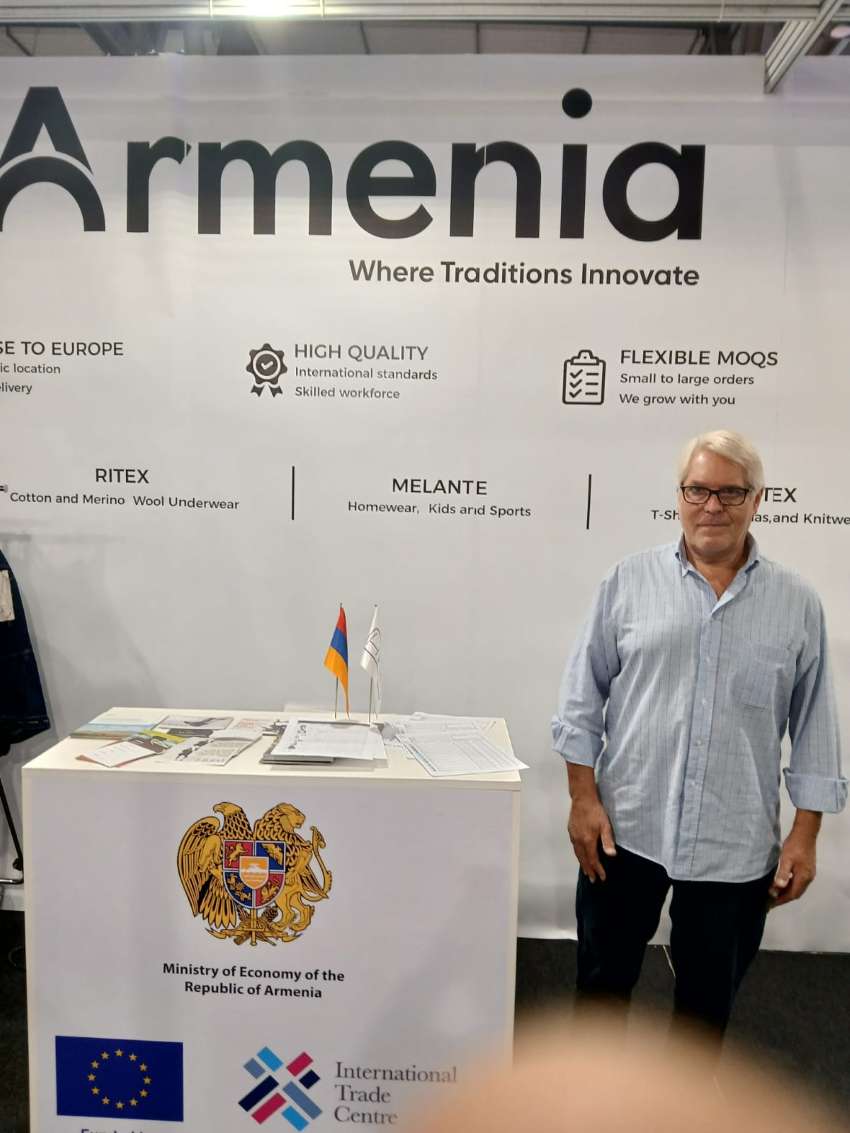
Marco Egida, a senior Milan-based supply chain and production consultant representing the delegation under ITC programs, highlighted that international backing extends far beyond trade fair subsidies.
"The European Union and the ITC are opening markets by bringing clients, organizing technical audits, and providing documentation and visas. Our role on the ground is hand-holding: visiting the factories, teaching them how to price accurately for Europe, upgrading cut-and-make standards, refining dyeing facilities, and supervising quality control and counter-sampling over multiple seasons. We make sure the buyer gets consistent execution without communication breakdowns.", emphasized Marco Egida, Supply Chain Consultant to ITC
Historically rooted in military uniform production and knitwear during the Soviet era—anchored by long-established producers such as Knacker (dating back to 1967)—Armenia’s apparel landscape has evolved into an entrepreneurial network spanning several hundred small, mid-size, and vertical garment facilities. While the sector previously channeled exports toward regional CIS markets, rising European trade engagement through EU development frameworks has prompted manufacturers to systematically align with European sizing, quality control, and social compliance protocols.
Manufacturing Highlights: From circularity to tailoring
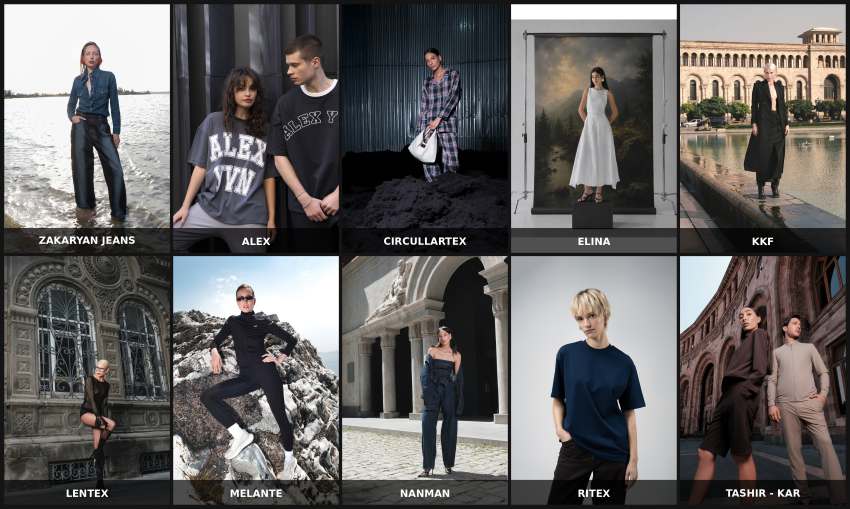
The collective capabilities showcased across the Armenian pavilion illustrated a diverse production matrix tailored to contemporary private-label demands:
● Closed-Loop Textile Circularity: Leading the delegation's sustainable credentials, Circullartex drew significant interest for its vertical, closed-loop recycling setup. The mill regenerates cotton-polyester waste from scratch into circular-knitted yarns, producing eco-responsible t-shirts, polo shirts, underwear, and home textiles (such as bed linens and specialized toweling) engineered to meet tightening European circular economy mandates.
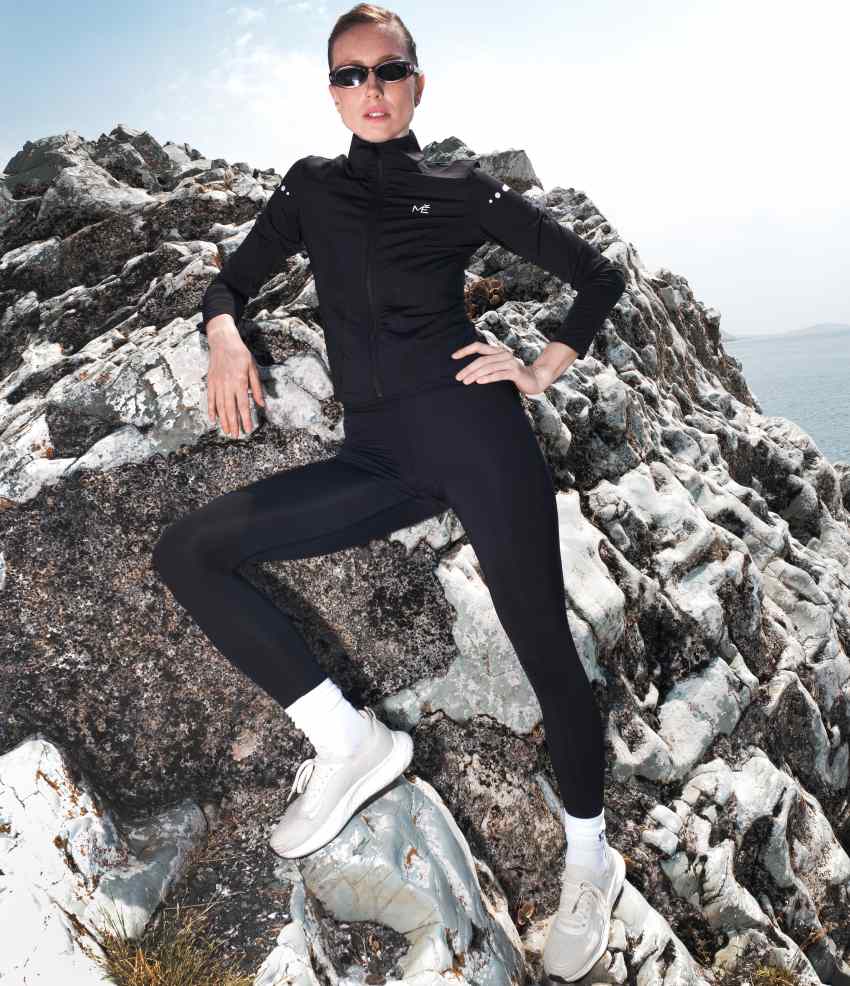
● Specialized Circular Knitting & Hosiery: Established manufacturers like Lentex demonstrated comprehensive knitting and finishing capacity, operating flat and circular machinery alongside in-house garment dyeing to produce seamless activewear, socks, and knitted corporate essentials.
● Structured Tailoring & High-Spec Uniforms: Drawing on historical technical strengths, companies such as KKF showcased structured men’s and women’s suiting alongside corporate apparel, emphasizing sharp cutting, durable fabrics, and rigorous European fit consistency.
● Artisan Denim Engineering: In the bottom-weight category, Zakaryan presented premium denim programs defined by specialized artisan washes, while N2005 focused on engineered custom cuts and sustainable, eco-wash solutions tailored for eco-conscious European collections.
● Agile Cut-and-Sew Basics: Partners like Ritex and Alex highlighted flexible contract manufacturing across jersey separates, loungewear, and lifestyle basics, complemented by Elina Armenia, Melante, and Tashirkar across casualwear, performance sports apparel, and heavy-duty utility uniforms.
Raw material sourcing across the contingent reflects an open, international model. While vertical players like Circullartex spin circular yarns in-house, participating mills import specialized fabrics from regional hubs—including Turkey, China, Romania, and Lithuania—focusing domestic operations on high-value cut-and-make, intricate assembly, garment dyeing, and quality finishing.
Milan Trade Floor Traction: Engaging Retail Majors
The commercial timing of Ready to Show proved instrumental in generating immediate buyer engagement. Staged alongside major international leather, footwear, and accessory salons—such as MICAM, MIPEL, and Lineapelle—the platform’s open-hall format facilitated direct discussions with leading European fashion retailers, buying groups, and department store sourcing directors.
During the three-day exhibition, the Armenian delegation registered active inquiries from prominent Italian fashion and sportswear retail groups, including Cisalfa Sport and the Miroglio Group, with discussions progressing directly to sample development, target pricing, and private-label production trials.
"Compared to other trade platforms in Paris that were scheduled on difficult late-August holiday dates, Milan delivered serious, targeted buyers who arrived prepared to do business. We had major retail names coming to our stands with specific sample requests and pricing discussions. You need to show consistency over multiple seasons, but the buyer response here proved that European labels are eager for an agile, high-quality partner.", highlighted Marco Egida
Following the strong reception, organizing bodies confirmed plans to solidify the country’s presence at Fiera Milano-Rho, with expectations to double exhibitor participation in upcoming sessions.
Ready to Show Milano: Strategically positioned
Conceived in 2001 and managed by Milanese agency Tortona Design & Fashion under industry veteran Georges Papa, Ready to Show was established as Italy’s first professional international contract clothing and sourcing trade exhibition. Engineered specifically to provide non-EU garment manufacturers, knitwear specialists, and textile mills with direct, unmediated access to European fashion houses, department stores, and private-label buyers, the platform operates as an operational counterpart to Milan’s seasonal catwalks.
Integrated directly within the Milano Fashion & Jewels (MFJ) framework at Fiera Milano-Rho, the showcase runs concurrently with Italy’s flagship leather and footwear trade fairs (MICAM, MIPEL, TheOneMilano, and Lineapelle). By combining free cross-hall transit with targeted, pre-screened B2B matchmaking programs, Ready to Show continues to serve as an indispensable bridge connecting global manufacturing capabilities with the commercial realities of European fashion retail.