
Global apparel sourcing patterns are undergoing a profound structural transformation as international fashion brands actively diversify their manufacturing ecosystems away from traditional dominant hubs. Market analyses indicate, China’s share of global apparel exports has contracted significantly over recent years, releasing an estimated $50 billion to $60 billion in addressable sourcing volume. This dynamic shift presents a lucrative window for Indian textile manufacturers to capture expanded market share, supported by newly enacted bilateral trade frameworks such as the India-UK Comprehensive Economic and Trade Agreement and concluded trade talks with the European Union.
Scaling production and synthetic capabilities
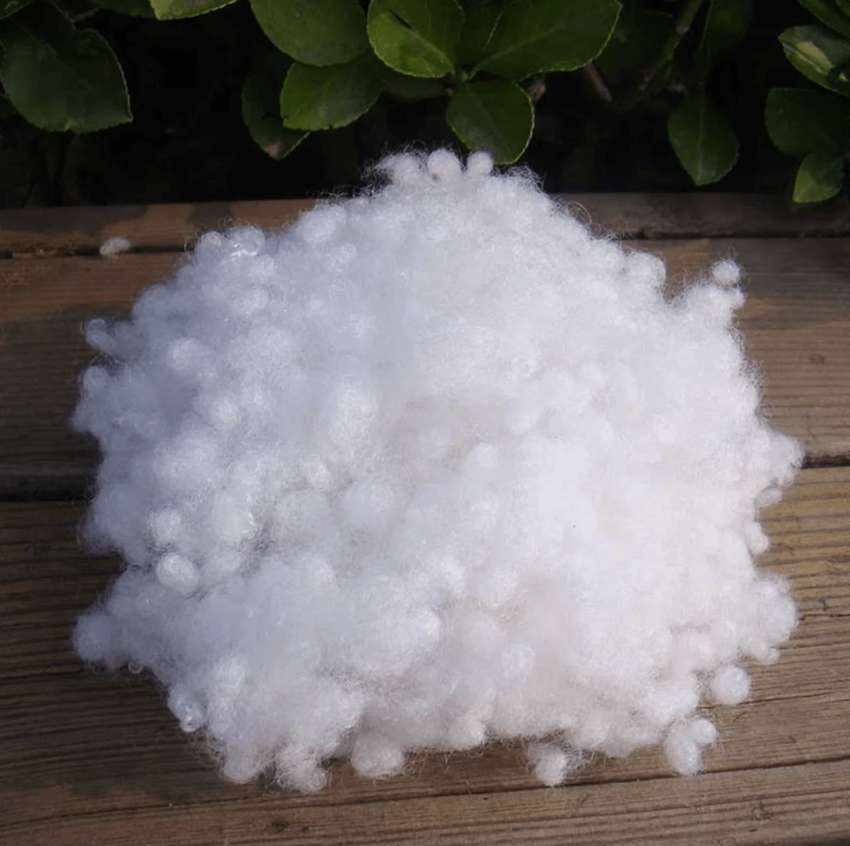
Despite favorable macroeconomic tailwinds, domestic industry stakeholders emphasize, capitalizing on these opportunities requires addressing long-standing structural bottlenecks, including fragmented manufacturing capacities and lagging labor productivity. Industry data shows, RMG exports reached Rs 1,39,350 crore in the FY25–26, registering a steady 2.9 per cent annual increase. Concurrently, man-made fiber (MMF) segments expanded robustly as major export houses enhance vertical integration, upgrade factory automation, and align operations with stringent international environmental, social, and governance compliance metrics.
Reinforcing global position with policy-backed modernization and expansion
The Indian textile and apparel sector constitutes a cornerstone of domestic manufacturing and employment, encompassing end-to-end operations from raw fiber extraction to finished designer wear. Focusing heavily on cotton and synthetic garment categories, the industry targets major consumer markets across North America, Europe, and the Middle East, while pursuing strategic capital expansion and policy-backed modernization initiatives to reinforce its competitive standing globally.