
From Fibre to Fashion, Buyers to Breakthroughs: Shanghai reveals where global textile sourcing is heading
By Sanjay Chawla, Editor in Chief, FashionatingWorld I DFU Publications
The Autumn 2026 editions of Intertextile Shanghai Apparel Fabrics and Yarn Expo closed on 27 August with a much bigger story than another successful edition of two major textile exhibitions. Held from 25–27 August at the National Exhibition and Convention Center (Shanghai), alongside CHIC and PH Value, the two shows brought together virtually the entire textile and fashion value chain—from fibres and yarns to fabrics, accessories, garments and fashion brands—creating one of the world's most concentrated sourcing environments.
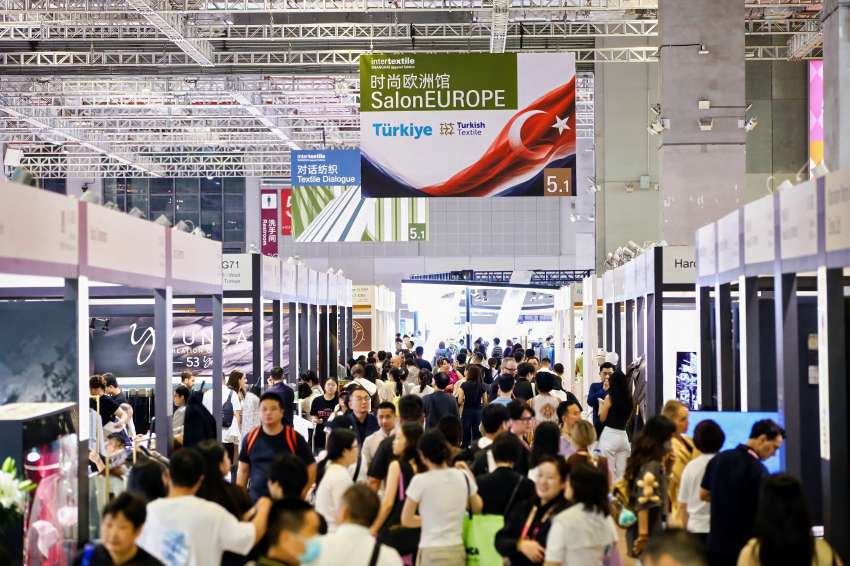
The scale was substantial. Intertextile occupied 240,000 sq m, bringing together more than 3,500 exhibitors from 30 countries and regions and over 100,000 visitors, while Yarn Expo covered 27,000 sq m, with approximately 600 exhibitors from 14 countries and regions and nearly 22,000 visitors representing 110 markets. But the statistics only tell part of the story.
What stood out more strongly across the three days was the changing nature of the business taking place around those numbers. Buyers were looking beyond conventional fabric and yarn sourcing towards performance, certification, traceability, sustainability, functional materials, digitalisation, product development and faster supplier response. Exhibitors, meanwhile, were increasingly presenting materials not simply as commodities but as solutions.
Shanghai 2026 therefore offered a useful snapshot of where the global textile industry is heading—and how China's enormous manufacturing ecosystem is adapting to that change.
The real story was not the size of the show-it was the buyer
For all the attention normally given to exhibition space and exhibitor numbers, the most important test of an international sourcing fair is whether it brings the right buyers together with the right suppliers. On that measure, buyer activity was central to the 2026 editions.
Intertextile's dedicated business-matching programme brought approximately 50 VIP buyers from 14 countries and regions, including Australia, Brazil, India, Korea, Spain, the UAE, the UK and the US. Around 330 pre-scheduled business-matching meetings were organised according to buyer requirements and exhibitor capabilities.
In addition, nine international buyer delegations comprising approximately 180 delegates from markets including Bangladesh, Italy, Kyrgyzstan, Malaysia, Thailand, Türkiye and Vietnam participated in guided tours and dedicated matching sessions.
This structure is increasingly important because the international sourcing exhibition is changing. Buyers are no longer necessarily travelling thousands of kilometres simply to walk through hundreds of booths. They want targeted suppliers, specific technologies, relevant materials and faster access to products that can enter their development pipelines.
Intertextile's business-matching programme effectively acknowledged that shift by trying to connect demand with supply before buyers reached the exhibition floor. The visitor profile itself was equally broad, extending from garment manufacturers, import-export companies and textile traders to retailers, buying offices, distributors, agents, fibre producers, spinners and weavers.
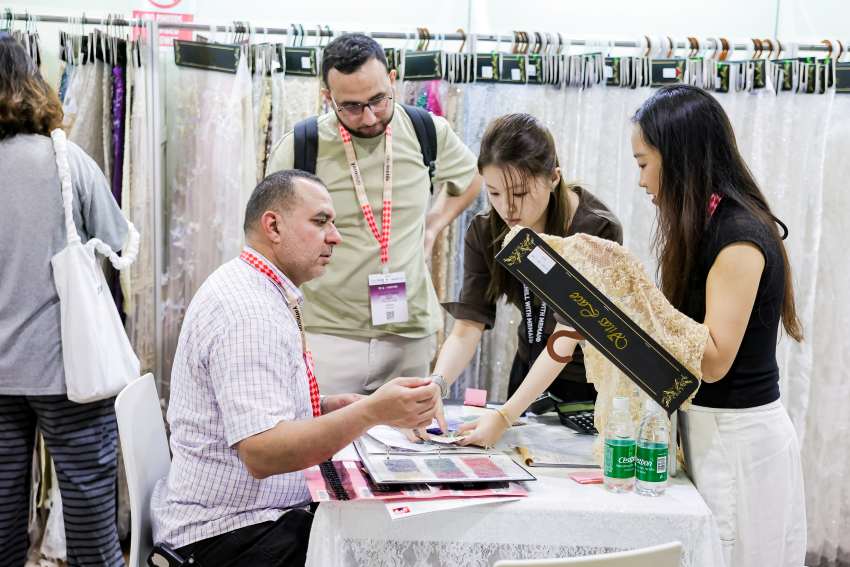
The result was a sourcing environment in which a material could potentially be evaluated simultaneously from the perspective of the spinner, mill, garment manufacturer, sourcing office and final buyer.
What buyers were actually looking for
The comments from international buyers provide perhaps the clearest indication of how the market is changing.
For Thailand's Somprasongstudio 1989, the value of Intertextile extended beyond finding products. Managing Director Alisa Teeprinyakul highlighted the ability to explore raw materials, advanced textile technologies and emerging market trends. That makes the exhibition as much a market-intelligence exercise as a procurement exercise.
For French sourcing organisation Celio, the interest was more targeted towards knit, sportswear and outerwear fabrics, with certification becoming an important consideration. This is a significant development because certification increasingly affects the speed with which an international supplier can be qualified and integrated into a sourcing programme.
Australian buyer Wanderluxe Sleepwear was looking for new suppliers, innovations and design ideas while also maintaining relationships with existing partners. New trimmings and print patterns were part of the search, demonstrating that Intertextile is increasingly being used at the product-development stage rather than only after a collection has already been designed.
The message across these different markets was similar: the buyer is becoming more demanding, but also more integrated into the development process. Price remains important, but it is no longer the only conversation.
Yarn Expo showed how deep those sourcing relationships have become
The buyer story at Yarn Expo was equally revealing.With nearly 22,000 visitors representing 110 markets, the exhibition provided a global platform for fibre and yarn sourcing. But some of the strongest evidence came from established buyers who were already deeply connected to Chinese suppliers.
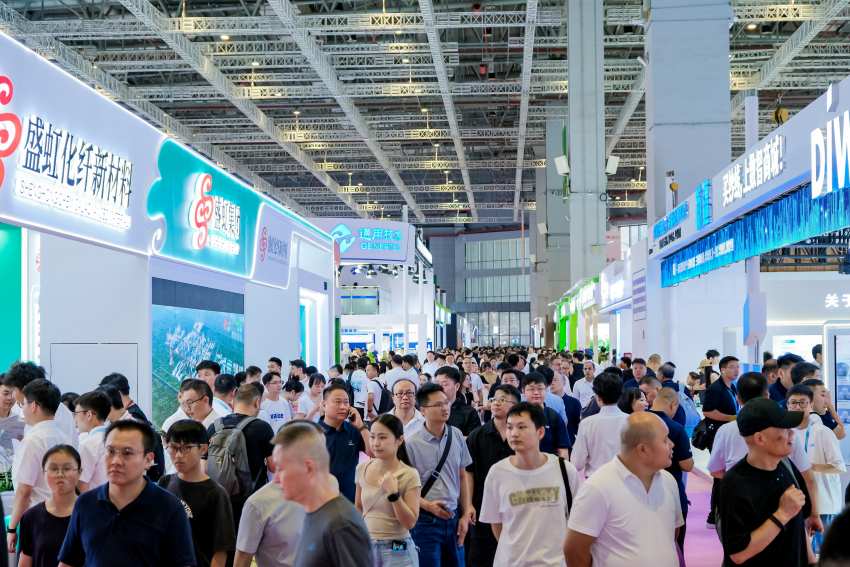
Brazilian buyer Adrian Rios of Rios Trading Import and Export, for example, sources DTY, nylon, polyester fibre, cotton yarn and other textile products for markets including Brazil, Mexico and Colombia. More than 50 of his existing suppliers exhibit at Yarn Expo, making the event an annual opportunity not only to discover new products but also to maintain relationships and evaluate developments directly.
That distinction matters. Yarn Expo is not merely a place where buyers discover unknown suppliers. It has also become a physical meeting point for existing international supply networks.
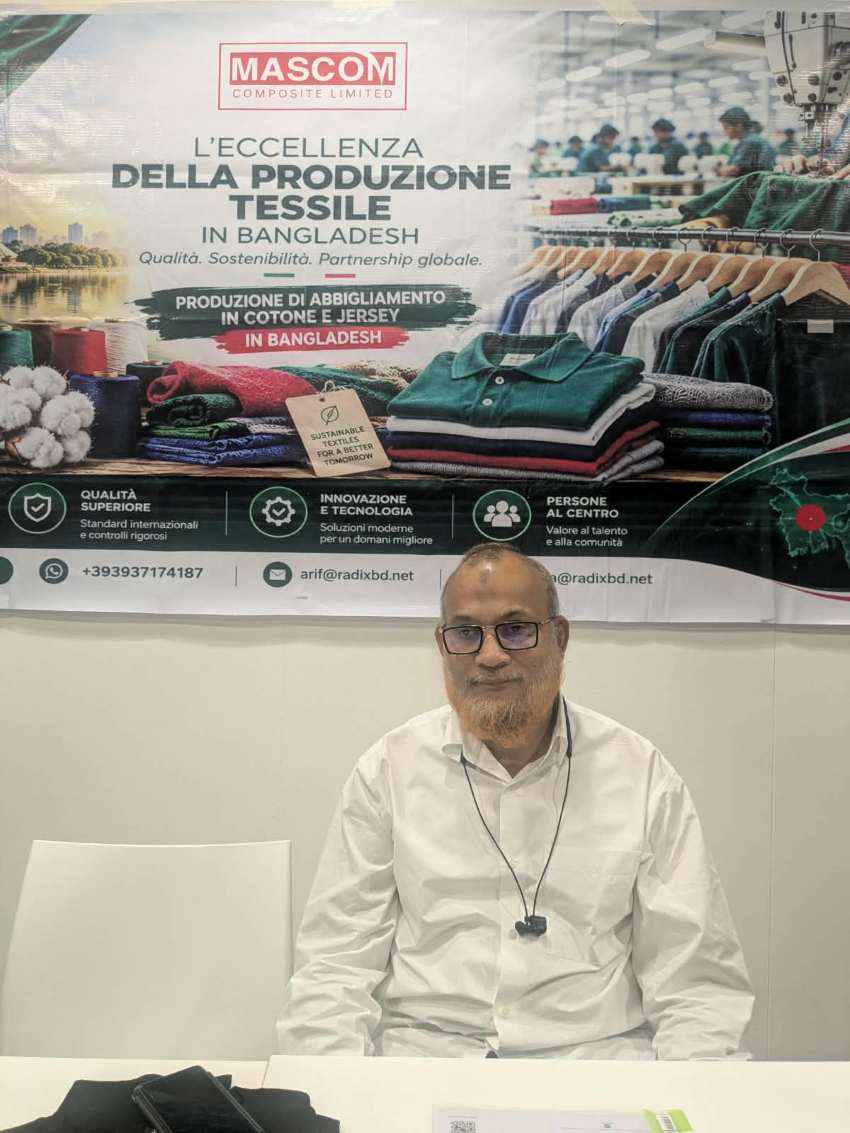
For Pakistan's Peachbelt International, the search extended across TC yarns, 100% cotton yarns and GRS-certified recycled polyester. For Bangladesh's MASCO, sustainability was already deeply embedded in the sourcing brief, with the company reporting that approximately 95% of its yarn consumption is in sustainable products, including BCI, organic, recycled and other certified fibres.
These examples reveal a broader change: sustainability is increasingly moving from the corporate sustainability department into the purchasing department.
From commodity yarn to engineered material
That changing buyer requirement was visible across the Yarn Expo floor. The exhibition featured recycled PET, regenerated fibres, plant-based polyester, sustainable cotton, functional yarns and traceable speciality materials. Indorama Ventures presented its 100% recycled PET deja range, Toray Industries brought plant-based polyester and NANODESIGN technology, while The Lurex Company highlighted traceable recycled metallic yarns.
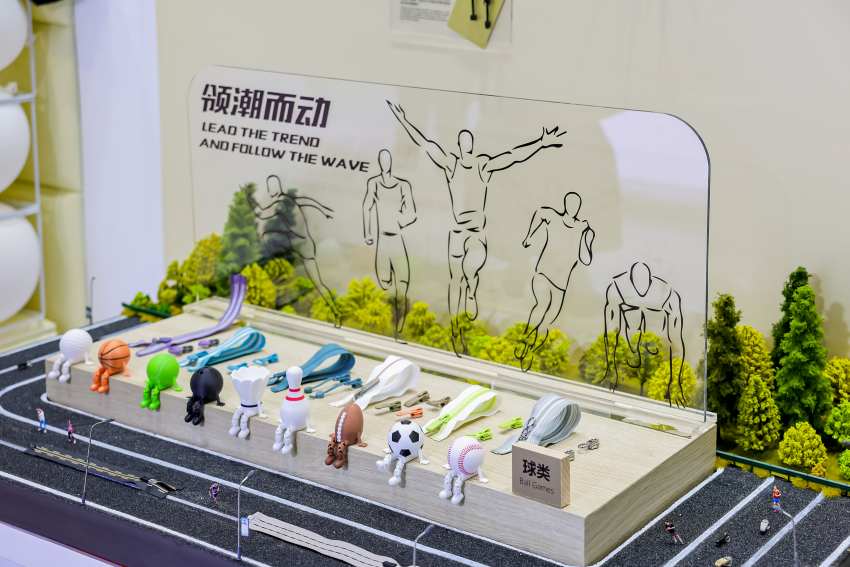
Chinese producers were equally focused on differentiation. Hangzhou Benma Chemfibre and Spinning presented regenerated polyester made from PET bottles and textile waste, while the Tongkun–China Fibre Fashion Trends Display Zone displayed more than 300 new fibre and yarn samples.
The significance of this development goes beyond individual products. The commodity yarn market is not disappearing, but differentiation is increasingly being built into the fibre itself. Temperature regulation, moisture management, recycling content, traceability, speciality finishes and other functional attributes are becoming part of the product proposition.
The question for the next generation of textile competition is therefore increasingly not simply “how much yarn can be produced, but how much additional value can be engineered into every kilogram of yarn”.
Intertextile’s four themes converged on the same floor
Intertextile organised the 2026 edition around Fashion Forward, Performance Textiles, Sustainability and Textile Future. What made the edition interesting was how difficult it became to separate those themes.
Performance was increasingly linked to sustainability. Sustainability was increasingly linked to material innovation. Digitalisation was increasingly linked to speed. Design was increasingly influenced by material science.
The upgraded Functional Lab and The CUBE made that convergence particularly visible by demonstrating waterproofing, airshift, down-proof and down-inspection technologies. Functional materials were presented around thermal regulation, moisture management, protection and comfort, reflecting the expansion of performance textiles beyond specialist sportswear into wider apparel categories.
Prutex Nylon's PRUECO OCEAN, for example, combined discarded fishing nets with nylon 6,6, illustrating how circular inputs can increasingly be incorporated into performance-oriented materials.
The broader message was that the industry is moving away from treating sustainability and performance as competing propositions. Increasingly, buyers want both.
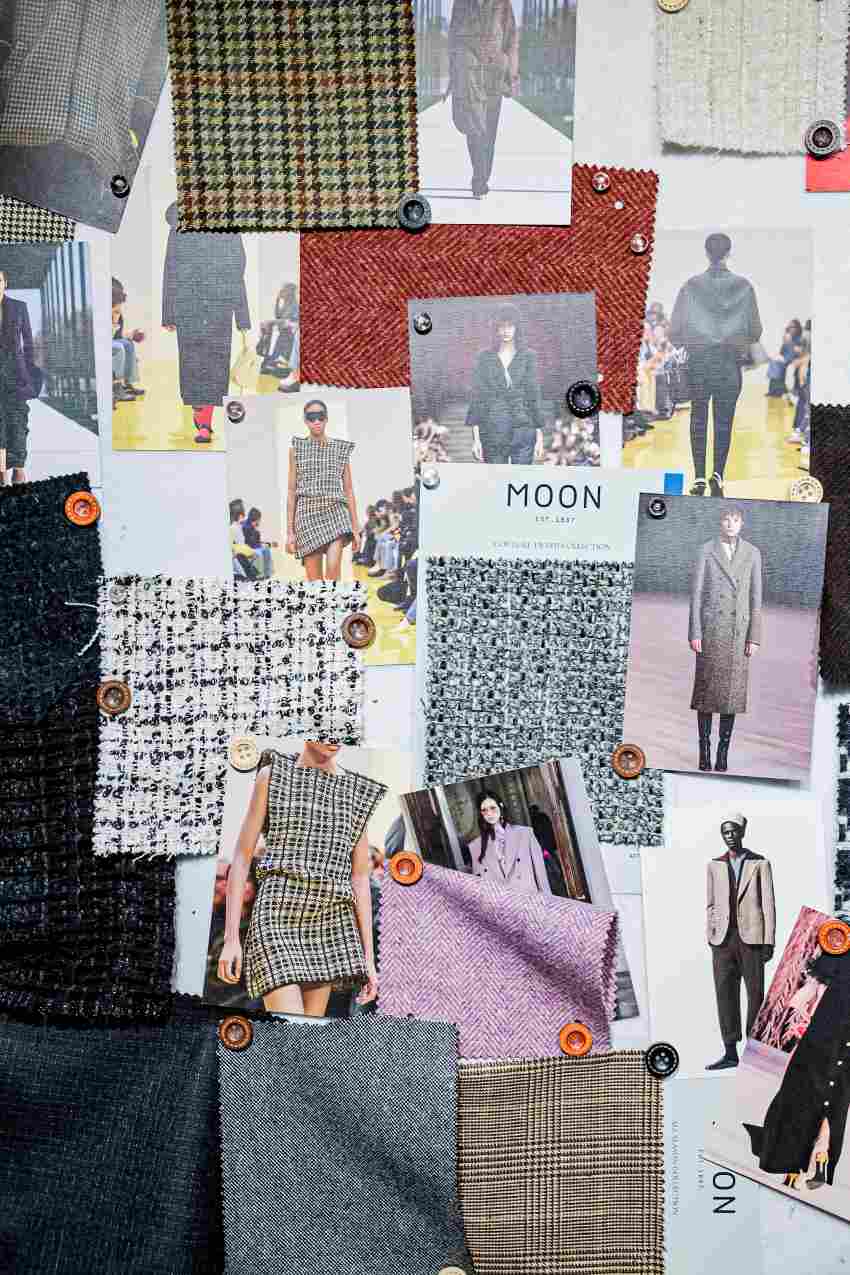
Sustainability is moving from seminar room to the sourcing floor
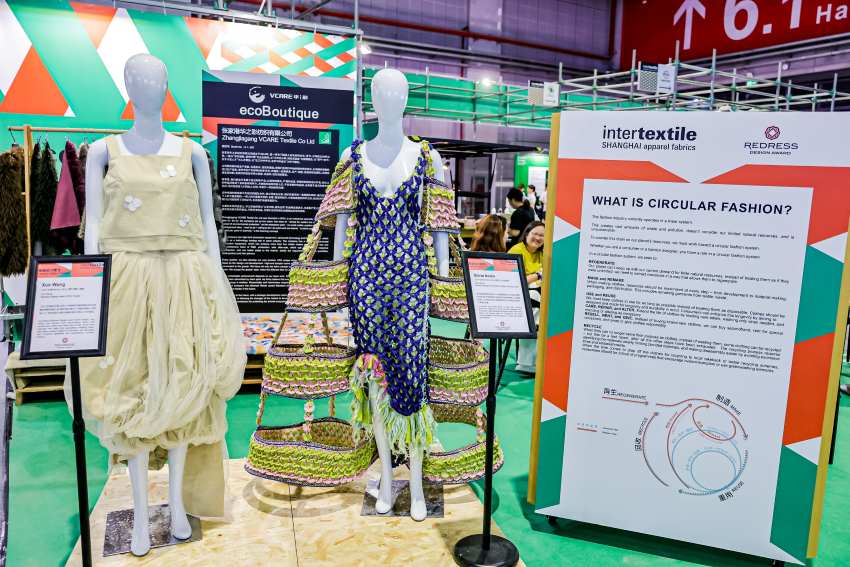
The Econogy Hub reinforced this transition by bringing sustainable suppliers, standards organisations, material innovators and experts into a dedicated sourcing environment.
Global Standards used the platform to introduce its planned Global Responsible Textile Standard, while exhibitors demonstrated recycled, bio-based, traceable and lower-impact materials.
Yarn Expo showed the same transition further upstream.
CCFGroup's post-show assessment identified more than 20 booths involving established recycled-material companies, virgin-fibre producers with recycled businesses and trading companies. Textile-to-textile chemical recycling was one of the major themes, although the assessment also pointed to the continuing challenges around large-scale, stable commercialisation.
That qualification is important. Shanghai did not demonstrate that textile recycling has become an economically solved problem. It demonstrated something more meaningful: recycling technology has moved much deeper into the mainstream product-development strategies of major fibre and textile companies. The commercial test remains, but the direction of travel is increasingly difficult to ignore.
India is broadening its position
India's presence at both exhibitions reflected a similar evolution. At Intertextile, the TEXPROCIL-organised India Pavilion featured suppliers across dyed yarns, woven fabrics and sewing threads, alongside materials using organic cotton, Belgian linen, Lenzing fibres, bamboo, silk and cashmere.
At Yarn Expo, the TEXPROCIL pavilion brought together more than 40 exhibitors, with products spanning cotton yarns, sustainable cotton, recycled materials, traceability and value-added yarns.
The significance for Indian suppliers is that Shanghai increasingly provides an environment in which traditional strengths in cotton and yarn manufacturing can be combined with sustainability credentials, certification, speciality fibres and value-added products.
India's challenge—and opportunity—is therefore moving beyond being recognised simply as a major cotton and yarn supplier. The international buyer is increasingly looking for a broader material proposition.
Pakistan, Bangladesh and the integrated South Asian model
Pakistan's participation reinforced the importance of vertical integration. At Intertextile, Azgard Nine, Kohinoor Mills, Mahmood Textile Mills and Diamond Denim by Sapphire presented premium fabrics, while Pakistani companies were also represented at Yarn Expo. Azgard Nine's presence in the Beyond Denim area highlighted vertically integrated denim production and lower-resource processing.
Bangladesh, meanwhile, brought a particularly strong sustainability-driven buyer perspective. Companies such as MASCO are increasingly integrating certified and recycled materials into mainstream production rather than treating sustainable products as a niche category.
Together, these markets demonstrated how South Asian textile exporters are increasingly competing not only through manufacturing capacity but through integrated production, certification and product development.
Europe and Japan add a different dimension
Shanghai's international pavilions demonstrated that global sourcing is not becoming homogeneous. Italy's presence through the Italian Trade Agency/Milano Unica Pavilion reinforced premium textile manufacturing and luxury positioning. Companies such as Marzotto Group represented the high-end European textile proposition, while suppliers including Alumo, Gruppo Piacenza, Holland & Sherry and Trabaldo Togna added specialist expertise.
Japan brought a different proposition. Its pavilion, organised by the Japan Fashion Week Organization, featured 36 exhibitors across 756 sq m, covering yarns, fibres, functional materials and fabrics. First-time exhibitor Asano Nenshi presented its speciality “Super Zero” yarn, illustrating the country's continuing focus on highly differentiated textile technologies.
Malaysia brought yet another dimension, with its pavilion combining traditional batik and weaving with contemporary fashion and accessories.
The result was a remarkably diverse sourcing landscape in which Chinese scale existed alongside European premium textiles, Japanese speciality materials, South Asian manufacturing and Southeast Asian craft and product development.
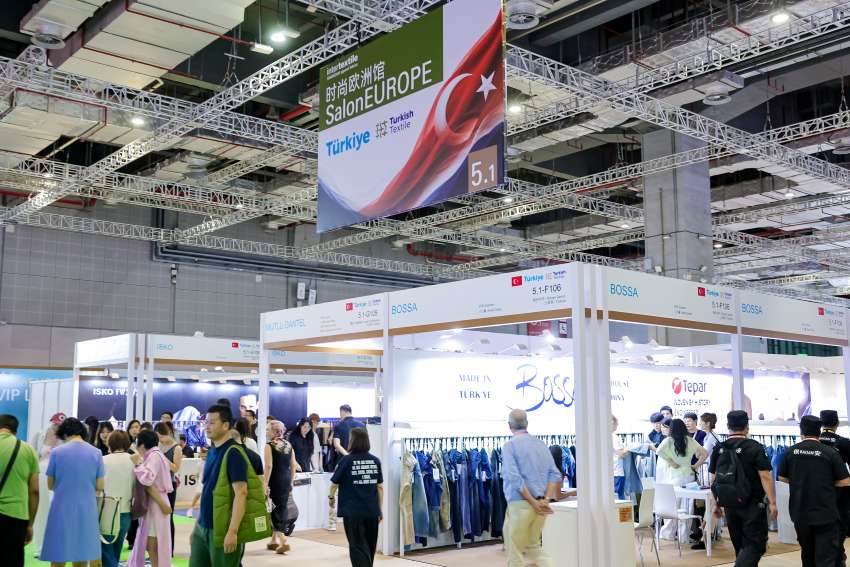
Emerging textile countries are also using Shanghai as a springboard
One of the less obvious developments of the 2026 edition was the widening geographical participation. Intertextile added Côte d'Ivoire, Egypt, Malaysia, Nigeria, Norway, Sweden and Thailand among its new exhibiting countries and regions compared with the previous Autumn edition.
Côte d'Ivoire's participation was particularly strategic.
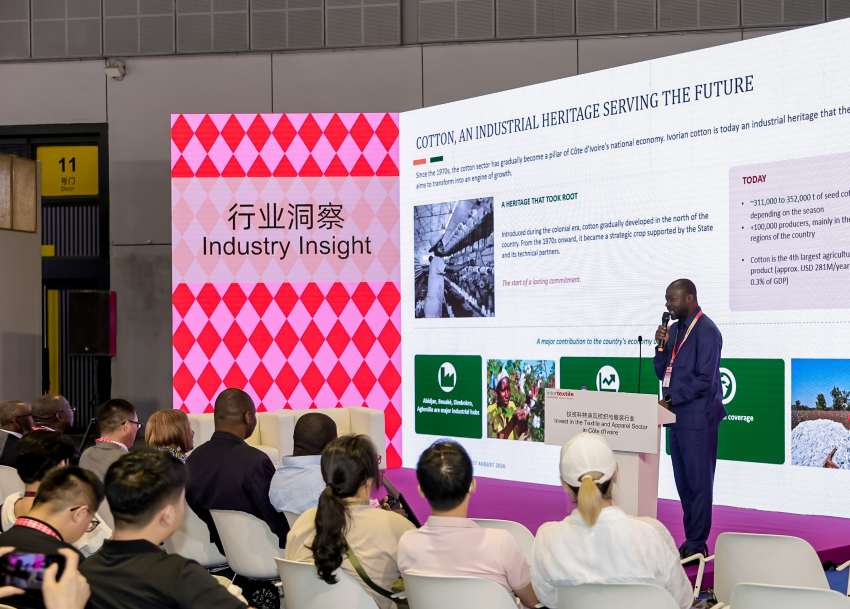
Its investment-promotion agency used Shanghai to attract investment into the completion of the country's cotton value chain, demonstrating that an international textile fair can serve not merely as an export platform but as an investment and industrial-development platform.
Yarn Expo's Uzbekistan Pavilion presented another integrated model, promoting the country's cotton-to-textile capabilities. Egypt showcased locally processed flax fibres and yarns, while Vietnam's Importer International demonstrated how contemporary sourcing networks themselves have become global, combining cotton from Australia, Brazil, India and the United States with virgin and recycled synthetic materials.
Digitalisation is becoming part of the sourcing equation
The Innovation & Digital Solutions Zone demonstrated another important change. AI-enabled workflows, digital product-development tools and production-management systems were presented not as distant future technologies but as practical tools for factories and supply chains.
Coats Digital reported strong interest from visitors in its AI-enabled capabilities for Chinese factories, with buyers requesting follow-up presentations. The importance of this development is straightforward. As fashion calendars compress and product ranges become more fragmented, speed becomes a commercial variable. Digital planning, AI-assisted decision-making and better production visibility can potentially reduce the time between product concept, development and manufacturing. This increasingly connects digitalisation directly with sourcing.
The Four-Show model may be Shanghai's biggest competitive advantage
Perhaps the most powerful feature of the Shanghai format is not any individual product zone.It is the ecosystem created by the four concurrent exhibitions. Yarn Expo connects fibres and yarns.
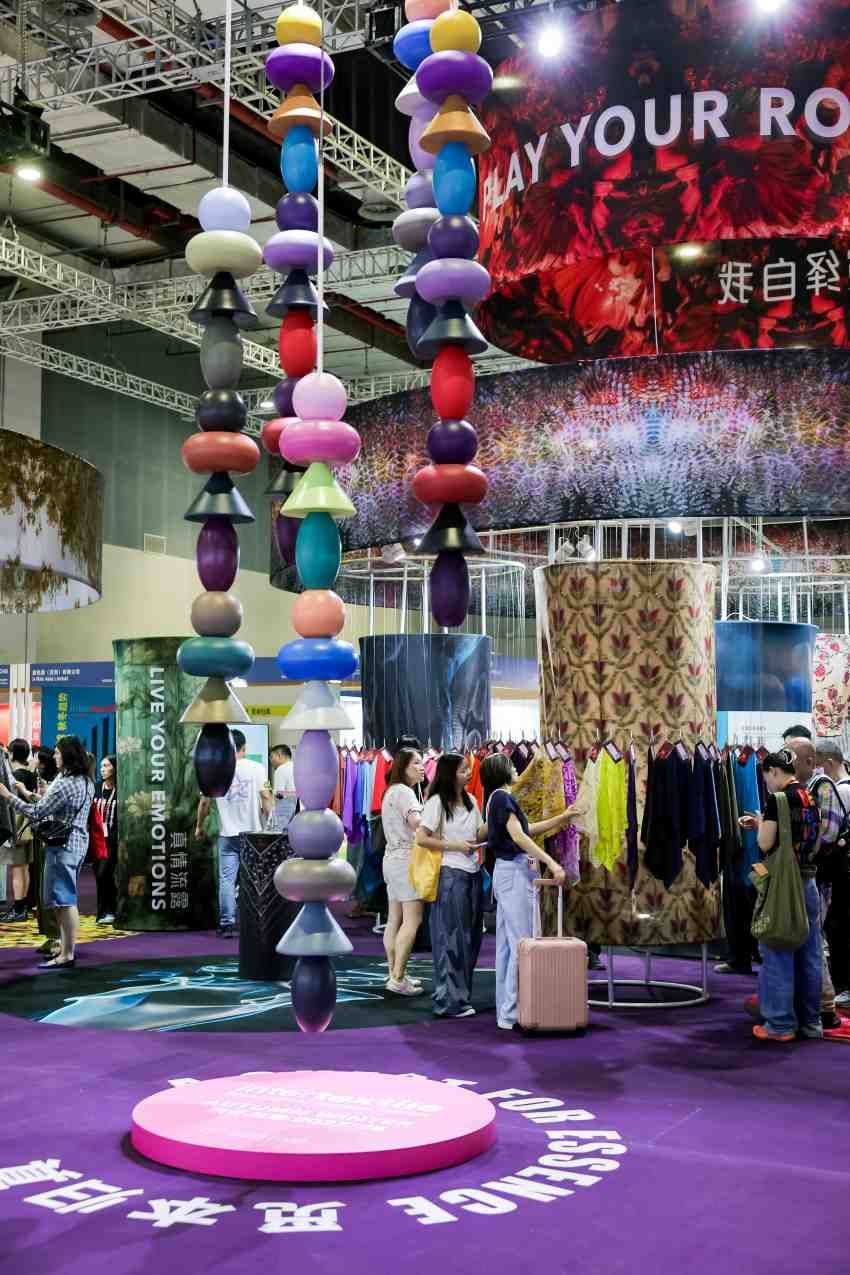
Intertextile connects fabrics and accessories. CHIC brings fashion and finished apparel into the same environment, while PH Value connects the ecosystem to knitted garments.
For an international buyer, that creates the possibility of examining multiple layers of the supply chain during one trip.A yarn producer can be evaluated alongside the fabric mill using that yarn. A fabric can be examined in the context of garment manufacturing. A finished product can be connected back to its raw material.
That physical proximity compresses the traditional distance between product development, sourcing and manufacturing.
The Bigger Takeaway: Shanghai is selling speed, not just scale
The final picture from Intertextile Shanghai and Yarn Expo Autumn 2026 is therefore considerably broader than the familiar story of China's enormous textile manufacturing capacity. China has scale. That remains unquestioned. But events in Shanghai increasingly demonstrate how that scale is being combined with material innovation, performance, recycling, digitalisation, international sourcing and downstream fashion connectivity.
The buyer's evidence makes the transition particularly clear. French buyers are looking for certified performance fabrics. Australian buyers are searching for new suppliers, trims and design ideas. Thai buyers are using the fair to understand technologies and market direction. Brazilian buyers are maintaining extensive established yarn networks while exploring new products. Pakistani buyers are combining conventional yarn requirements with recycled materials. Bangladeshi buyers are actively seeking certified and sustainable inputs for future collections.

The exhibition floor is therefore becoming less about simply finding a supplier and more about finding the capability to solve a product requirement.
That is perhaps the most important conclusion from the 2026 edition. Intertextile Shanghai and Yarn Expo are no longer simply exhibitions of what the textile industry can manufacture. They are increasingly becoming marketplaces for what the global textile industry wants to manufacture next. And in that transition, China's advantage is evolving.